



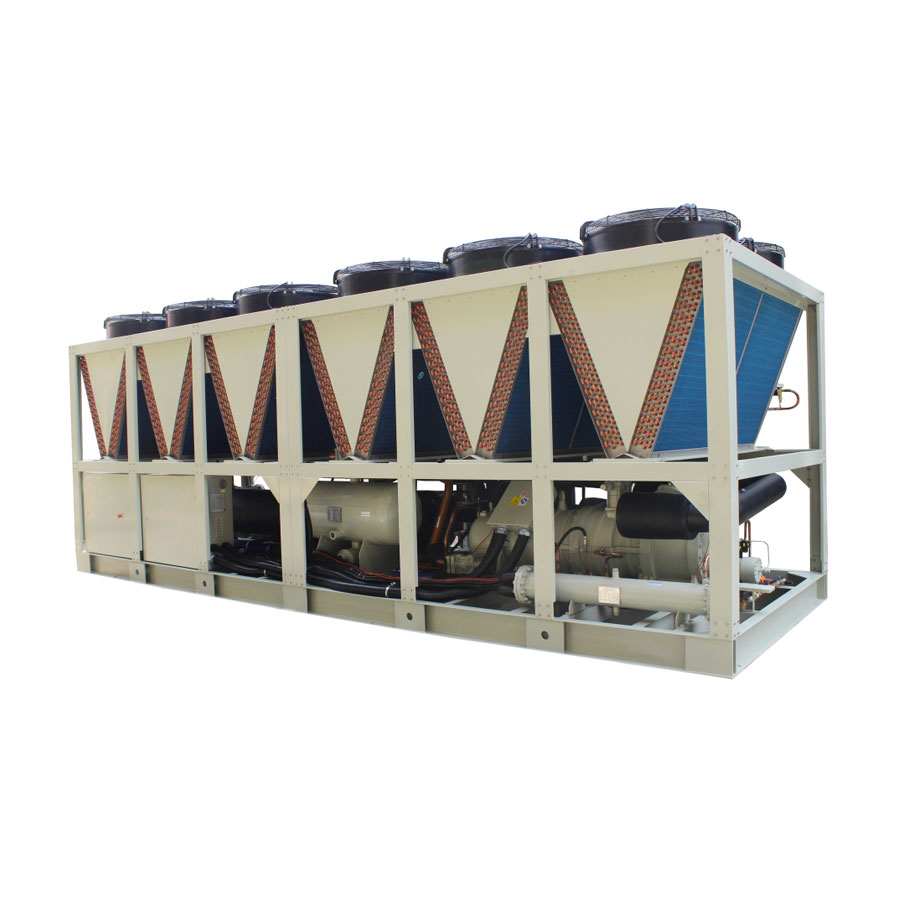
Performance and Application Scenarios of High Temperature Heat Pumps
1. Core Performance Characteristics
A high temperature heat pump is an energy-efficient heating system that can deliver output heat water or air at temperatures significantly higher than conventional heat pumps, typically ranging from 80°C to 120°C, while maintaining a high coefficient of performance (COP). Unlike traditional fossil fuel heating systems, it extracts residual heat from ambient air, geothermal sources, industrial wastewater or waste gas, converts it into usable high-temperature heat with only a small amount of electrical input, resulting in 30% to 50% lower carbon emissions and operating costs compared to gas or oil boilers.
Modern high temperature heat pumps maintain stable heating efficiency even in low ambient temperatures as low as -25°C, eliminating the need for supplementary electric heating in most cold climate conditions. They also feature long service life (usually 15–25 years for the whole system), low maintenance requirements, and flexible modular design that can be adjusted to match different heating loads.
2. Main Application Scenarios
First, industrial manufacturing is one of the largest application fields. High temperature heat pumps are widely used for process heating in food drying, textile dyeing, chemical material heating, paper production and plastic molding, where they can meet the consistent high-temperature heat demand while reducing industrial waste heat emissions and energy costs.
Second, commercial and district heating: In large commercial buildings, hospitals, schools and urban district heating networks, high temperature heat pumps can provide space heating and domestic hot water supply, compatible with existing heating pipe networks to achieve low-carbon transformation without large-scale infrastructure reconstruction.
Third, agricultural and aquaculture processing: They are used for greenhouse heating, grain drying, and livestock product processing, which require stable high-temperature heat to ensure production quality and reduce reliance on fossil fuels. Fourth, special low-carbon renovation projects: In regions with strict carbon emission regulations, high temperature heat pumps are an ideal replacement for old coal-fired boilers, helping end users meet emission reduction requirements while maintaining heating capacity.
In general, high temperature heat pumps balance high performance heating output with renewable energy utilization, making them a key technology for decarbonization in the heating sector across industrial, commercial and agricultural scenarios.
