



Hydrogen Refueling Station: Overview and Introduction
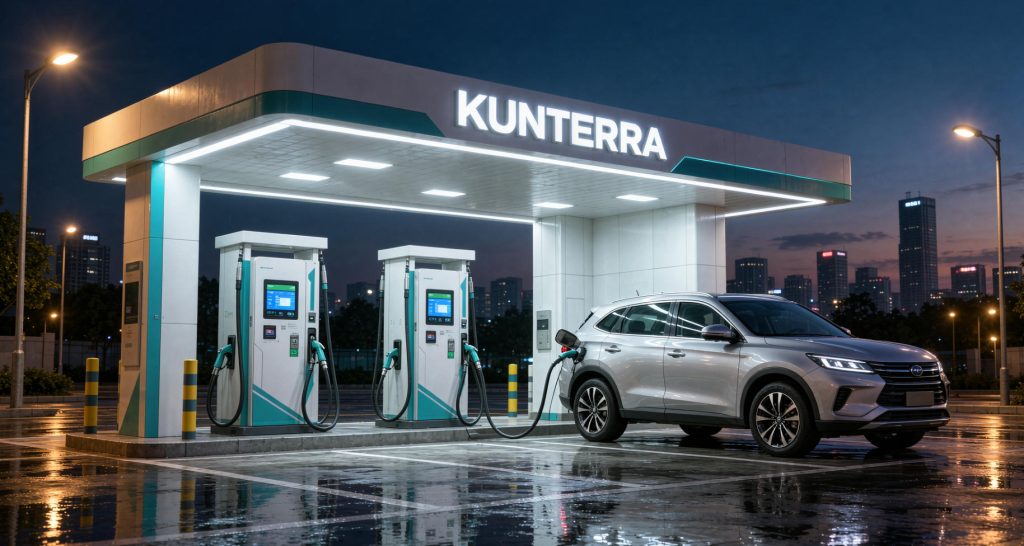
1. Basic Definition and Core Function
A hydrogen refueling station (HRS), also called hydrogen dispenser or hydrogen filling station, is a specialized infrastructure designed to store compressed hydrogen fuel and deliver it to hydrogen-powered vehicles, including fuel cell electric vehicles (FCEVs), commercial hydrogen trucks, buses, and other specialized hydrogen-powered equipment. Different from traditional gasoline or diesel stations that supply fossil fuels, or electric vehicle charging stations that deliver electrical energy, hydrogen refueling stations enable fast refueling for hydrogen vehicles, with most full refueling processes completed within 3 to 5 minutes, matching the refueling speed of traditional gasoline vehicles, which is a key advantage over long charging times for battery electric vehicles. This feature makes hydrogen refueling stations particularly suitable for commercial fleets that require high operational efficiency and long-distance driving.
2. Main Classification and Core Components
Hydrogen refueling stations are generally divided into two categories based on hydrogen production location: on-site hydrogen production stations and off-site hydrogen production stations. On-site stations produce hydrogen directly at the station through water electrolysis or natural gas reforming, eliminating the need for long-distance hydrogen transportation. Off-site stations receive hydrogen from centralized production facilities via tube trailers or hydrogen pipelines, then compress and store the hydrogen for vehicle refueling. Currently, most operational hydrogen refueling stations globally are off-site stations, as on-site stations require higher initial investment and operational technology thresholds.
The core components of a standard hydrogen refueling station include hydrogen storage systems (high-pressure gaseous storage tanks or low-temperature liquid hydrogen storage tanks), hydrogen compression units, cooling systems, precision metering devices, and hydrogen dispensing nozzles. To ensure safety, all hydrogen contact components are made of hydrogen-compatible materials to prevent hydrogen embrittlement, which is a common safety risk in high-pressure hydrogen systems. Modern hydrogen refueling stations also integrate automated control and leak detection systems, which can immediately trigger an emergency shutdown if hydrogen leakage is detected.
3. Technical Specifications and Safety Standards
Most light-duty FCEVs use 70 MPa (approximately 10,000 psi) hydrogen storage tanks, so commercial hydrogen refueling stations need to provide 70 MPa refueling pressure, while heavy-duty commercial vehicles may use 35 MPa pressure systems. The daily refueling capacity of hydrogen refueling stations varies greatly: small stations for passenger vehicles can refuel 50 to 100 vehicles per day, while large public stations for mixed passenger and commercial use can refuel more than 500 vehicles per day. Safety is the top priority of hydrogen refueling station design and operation. All stations must comply with international and local industrial safety standards, including hydrogen leak detection, ventilation systems, explosion-proof electrical equipment, and fire suppression systems. Because hydrogen is the lightest element, leaked hydrogen dissipates quickly in open air, reducing the risk of explosion compared with heavier fuels like gasoline.
4. Role in Future Energy Transition
As a core part of the hydrogen energy industry chain, hydrogen refueling stations are key infrastructure to promote the popularization of hydrogen-powered vehicles. With global emphasis on carbon neutrality, hydrogen energy, as a clean zero-carbon energy, is widely expected to play an important role in hard-to-decarbonize transportation sectors such as heavy-duty trucks, long-haul buses, and maritime shipping. The construction of hydrogen refueling networks is expanding rapidly in Europe, North America, and East Asia, but current challenges include high construction costs, limited hydrogen supply scale, and incomplete standardization systems. As technology advances and scale effects emerge, the cost of hydrogen refueling is expected to decrease gradually, making hydrogen refueling stations more accessible and supporting the wide application of hydrogen-powered transportation.
